
I almost convinced myself not to do this.

One random day on Facebook, I came across a curious ad. I know you’re not supposed to trust these, but somehow, I followed it up. I found an exciting event I started looking forward to. But as the event drew closer, I was in a weird headspace. And that’s what I want to share with you today.
Hello, dear reader. I hope you’ve had a great February.
So what’s this all about?
Well, this is about a running commentary that was going on in my head. And I imagine nearly all of us have a similar experience. We all engage in self-talk, that inner voice with an opinion on every choice we make.

Experts define self-talk as “the continuous stream of conscious and unconscious thought that influences our emotions and behaviour”.
Leading up to my planned event, I had taken all the steps: I’d booked my ticket and made plans about what to wear and how to travel. In my head, I felt, “Wow, this is amazing. I’m stoked to have this opportunity to do something I’ve always wished I’d try.” I talked about this event often with my friends. You could say I had a positive outlook towards this event. My internal dialogue was optimistic.
And our self-talk matters. The commentary that goes on in our minds has a massive impact on who we are and how we engage with the world. It also has implications for our mental health.
Positive self-talk
Thinking positively about yourself has its benefits. Having an optimistic internal dialogue shows up in:
Improved self-esteem,
Better self and stress management
Helping you feel more in control of your outcomes
Giving you the drive to achieve your goals
Improving your mental health. The way you speak to yourself about yourself can help you manage symptoms of mental illnesses such as depression, anxiety and suicide/self-harm.
This isn’t about some “rose-coloured glasses, pie-in-the-sky” approach to life. At least, that’s not what it means to me. Having positive self-talk has nothing to do with denying the challenges of life. As experts put it:
As I write this, I’m well aware that some of us experience “toxic positivity” as a real thing. This isn’t that. Positive self-talk requires acknowledgement, self-awareness, and deliberate action. But to understand why having this kind of outlook is essential, let’s explore how the opposite type of self-talk can affect us.

Negative self-talk
As a musician once said, “Hello, darkness, my old friend.” I imagine many of us can relate to having a “harsh inner critic.” That, my friend, is a manifestation of our negative self-talk. We often beat ourselves up when we make poor decisions, worry about the future, etc.
About a week before the event I mentioned, my optimistic feelings changed. Somehow, I was in a space where I was telling myself I didn’t belong. I started to talk about it less with my friends because, in my head, I assumed they didn’t care. Without any concrete evidence, I was beginning to spiral.
Now, while a healthy dose of criticism is helpful, negative self-talk becomes a problem when it becomes constant. Negative self-talk can sound:
Hopeless (e.g. “I can never be happy”)
Mean (“I suck”)
Apathetic (“Well, it’s all going downhill anyway, so what’s the point?”)
Defeated (“I won’t get this right”)
Perhaps these are thoughts you’ve had before. That’s OK. But imagine having these thoughts all the time. It sounds pretty exhausting, right? Right.
Research suggests that a constant stream of negative self-talk increases the risk for mental illnesses such as PTSD, depression, anxiety, psychosis and so forth. The verdict is clear: it is not in the interest of our health to live in the realm of excessive negativity. Not only does it put our mental health at risk, it also can skew our view of reality and give us a false perspective of things.
I noticed this happening to me. Somehow, my excited outlook for my event gave way to a harsher, more critical perspective. I considered cancelling. Fortunately, I dealt with how I felt. Here are a few ideas if you’re wondering how to deal with these thoughts when you have them.
Building better self-talk
So, we’ve looked at how both kinds of self-talk can affect us. And while both have a role to play in our day-to-day lives, it’s helpful when we tend more towards the positive. And how can we do this? Well, here are some things experts suggest you can do:
It helps when you can identify situations that increase your negative self-talk. By recognising these early, you can adjust before self-criticism kicks in.
One problem with our negative self-talk is letting it continue unchallenged. So, when you notice you’re beginning to spiral into a cycle of negativity, stop. Take a breath. Then, talk back to the dialogue. Ask yourself, "Why does it have to be like this?” “Is there evidence for what I think?” “Can I view this situation differently?” etc. I try this technique often. Sometimes, all it takes is a simple question to give you perspective. Conversation with yourself can include taking a longer-term view of things; sometimes, that may be all you need.
I know; maybe it sounds odd. However, experts say that giving your negative self-talk a nickname can help you see it as external to yourself. And this can help you realise that you don’t have to agree with what it says.
For fans of SNL, experts are suggesting you don’t be your own Debbie Downer (a character so well-named 😂😂)



If you have negative thoughts or feelings, saying them out loud can be helpful. You could tell them to a friend, your God (if you’re religious), or just out loud. Giving voice to your feelings and watching the wind “carry” them away can be healing. I know this is a technique I find helpful.
Lastly, in the spirit of saying your thoughts out loud, getting professional help can be what we need sometimes, and that’s OK as well. Cognitive Behavioural Therapy (CBT) is reportedly excellent at helping us challenge and reshape negative self-talk. What's more, CBT can be either self-guided or professional-led. It’s up to you to find what works best for you.
To wrap up
We all deal with both kinds of self-talk. And it’s vital that we don’t skew too far on either end of the spectrum. However, what seems most common is for us to dwell on the more negative end of things. At least, I know that often is the case for me.
So, back to my event. I dealt with how I felt and went to the Birmingham Anime Con. And let me just say I had a fantastic time! Looking back, I wonder why I considered cancelling.
I'll leave you with this souvenir from the event.
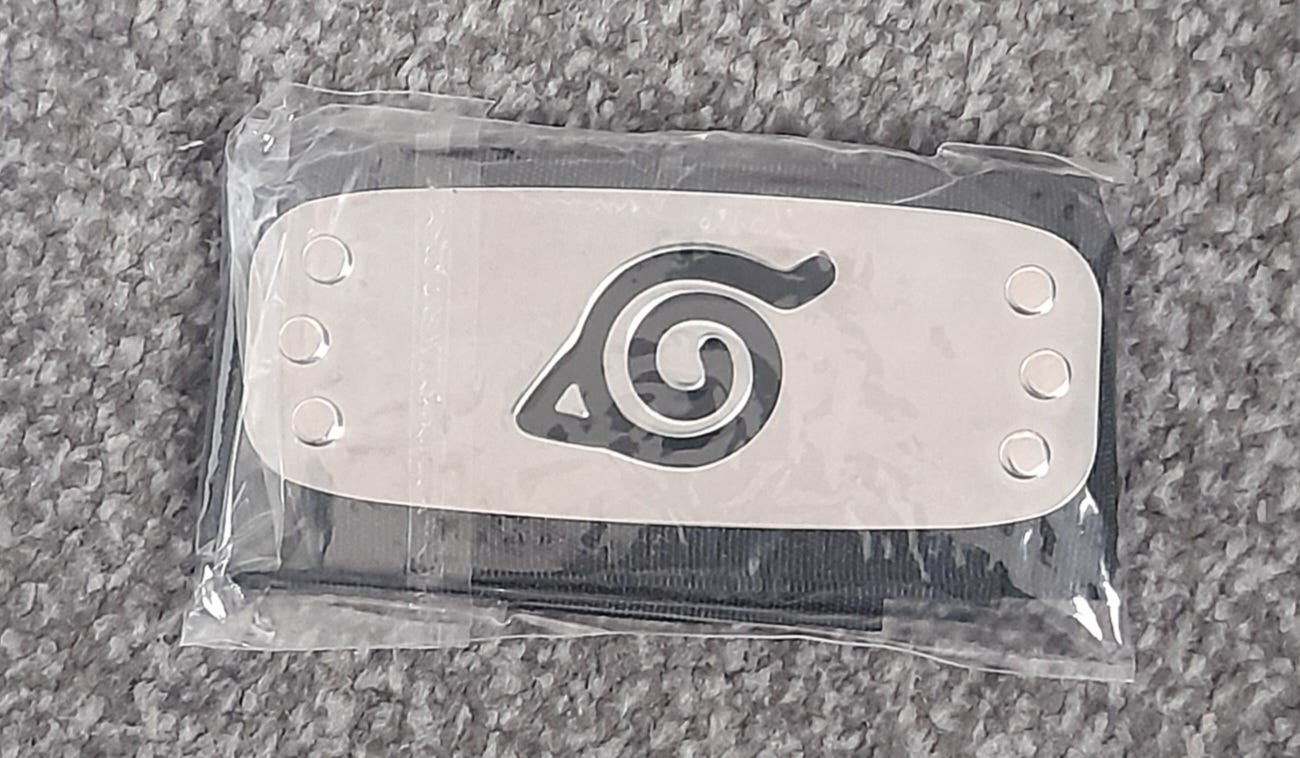
And I also want to tell you, don’t let negative self-talk hold you back from great experiences. You’ll be glad you challenged the negativity and shifted to a more balanced and possibly optimistic view. Who knows, there could be an adventure out there for you as well😁
Thanks for reading. If you enjoyed this, please share it with someone. And I would love to hear about any changes you’re making, so
Until next time,
T.